



Top Supply Chain Trends Every Business Should Know in 2026
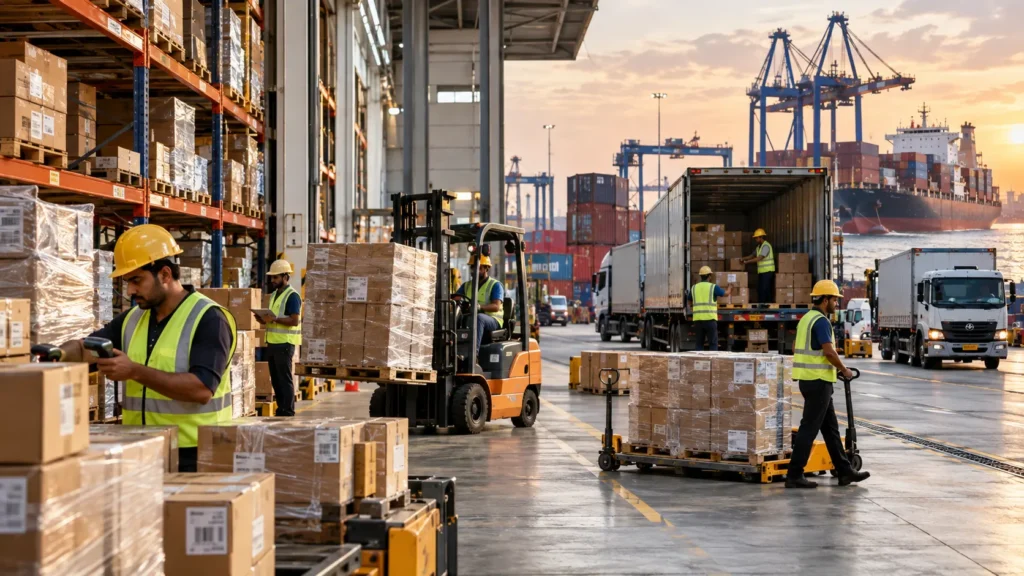
Top Supply Chain Trends Every Business Should Know in 2026 Top Supply Chain Trends Every Business Should Know in 2026 The global supply chain landscape is undergoing a major transformation. Rising customer expectations, market uncertainty, and rapid technological advancements are pushing businesses to rethink how they manage procurement, inventory, logistics, and operations. In 2026, successful organizations are adopting intelligent, connected, and data-driven supply chains to improve efficiency, reduce costs, and build long-term resilience. Whether you’re a manufacturer, healthcare provider, retailer, eCommerce business, or logistics company, staying ahead of these trends is essential for sustainable growth. Top Supply Chain Trends in 2026 1. AI-Driven Demand Forecasting Artificial Intelligence helps businesses accurately predict customer demand, reduce excess inventory, and improve production planning. 2. End-to-End Supply Chain Visibility Real-time monitoring of suppliers, warehouses, shipments, and inventory enables faster decision-making and minimizes operational disruptions. 3. Intelligent Inventory Management Smart inventory systems use data analytics to optimize stock levels, reduce carrying costs, and prevent stock shortages. 4. Warehouse Automation Automation technologies, robotics, barcode systems, and smart warehouse solutions improve operational efficiency and order accuracy. 5. Cloud-Based Supply Chain Platforms Cloud solutions allow teams, suppliers, and partners to collaborate securely from anywhere while ensuring data accessibility and scalability. 6. Predictive Analytics Businesses use advanced analytics to identify risks, anticipate supply disruptions, and improve strategic planning before problems occur. 7. Sustainable Supply Chains Organizations are increasingly focusing on environmentally responsible sourcing, waste reduction, carbon footprint monitoring, and ESG compliance. 8. Digital Procurement Modern procurement platforms streamline supplier management, automate approvals, and improve purchasing transparency. 9. Logistics Optimization Route optimization, shipment tracking, and transportation analytics help reduce delivery costs and improve customer satisfaction. 10. Supply Chain Cybersecurity As digital adoption increases, protecting operational systems and sensitive supply chain data has become a critical business priority. Benefits of Modern Supply Chain Management Improve operational efficiency Reduce inventory and logistics costs Increase supply chain visibility Enhance customer satisfaction Make faster business decisions Improve supplier collaboration Minimize business risks Support sustainable business growth Enable scalable digital transformation How Jisoteix Helps At Jisoteix Technologies LLP, we help organizations modernize their supply chain operations through digital transformation, intelligent automation, and AI-powered business solutions. Our goal is to simplify complex processes, improve operational visibility, and create scalable systems that drive measurable business outcomes. Our Supply Chain Solutions Supply Chain Digital Transformation – Modernize legacy processes with cloud-based technologies. Business Process Automation – Automate repetitive workflows to improve productivity and reduce manual effort. AI & Data Analytics – Transform operational data into actionable business insights through intelligent dashboards and predictive analytics. Inventory & Warehouse Solutions – Implement digital inventory management, warehouse optimization, and real-time stock visibility. ERP & CRM Integration – Connect business systems to create a unified operational ecosystem. Cloud Solutions – Deploy secure, scalable cloud infrastructure for better collaboration and accessibility. Custom Business Applications – Develop tailored web and mobile solutions to support procurement, logistics, inventory, and supply chain operations. Business Intelligence Dashboards – Monitor KPIs, inventory performance, supplier metrics, and operational efficiency in real time. Digital Consulting – Assess existing processes and design technology roadmaps aligned with your business goals. Why Choose Jisoteix? AI-Driven Business Solutions Industry-Focused Digital Transformation Scalable Cloud & Enterprise Solutions Process Automation Expertise Data-Driven Decision Support Secure & Future-Ready Technology Customized Solutions for Manufacturing, Healthcare, Retail, Logistics, and eCommerce Ready to Transform Your Supply Chain? A modern supply chain is no longer just about moving products—it’s about creating a connected, intelligent, and resilient business ecosystem. Jisoteix helps organizations adopt the right technologies to improve efficiency, reduce costs, and accelerate digital growth. Explore our digital transformation solutions at: www.jisoteix.com
How AI is Revolutionizing Supply Chain Management
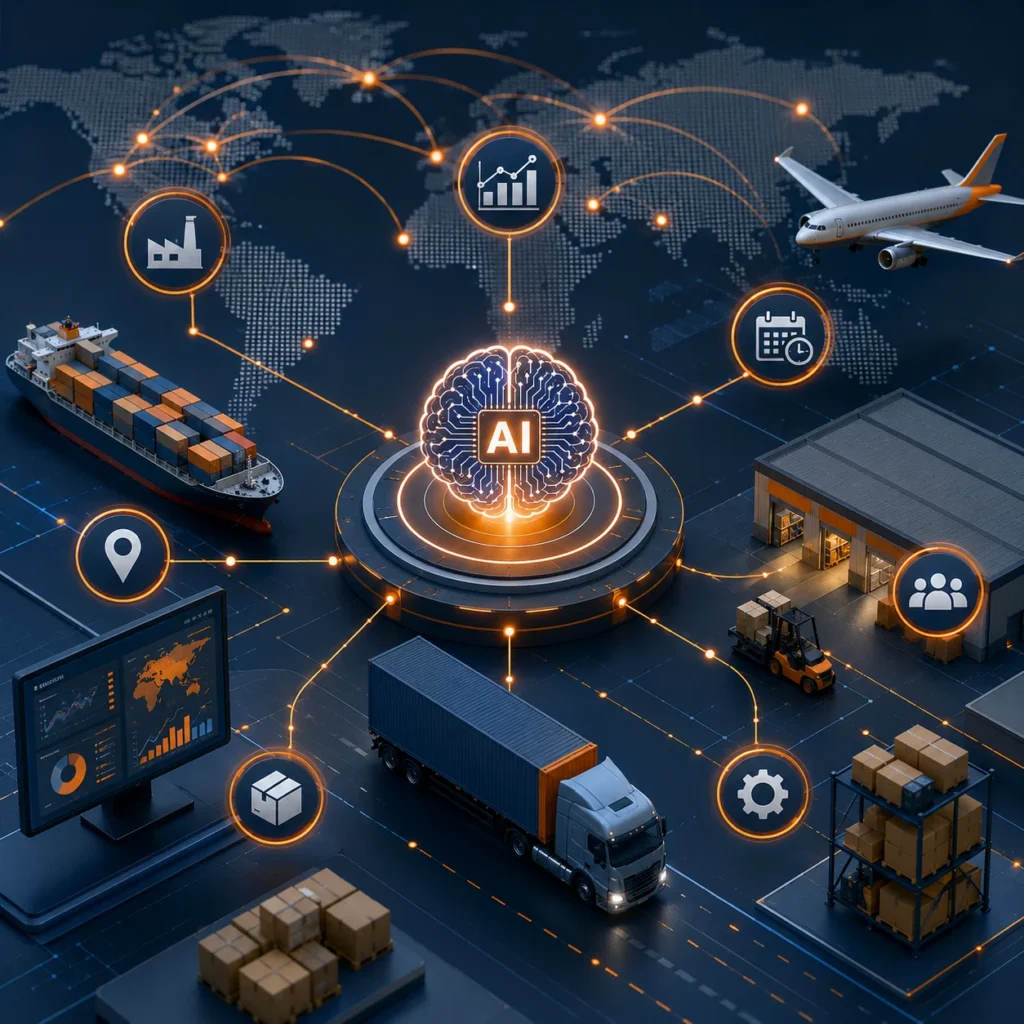
How AI is Revolutionizing Supply Chain Management How AI is Revolutionizing Supply Chain Management Introduction Artificial Intelligence (AI) is transforming supply chain management by helping businesses make faster decisions, reduce costs, improve efficiency, and build more resilient operations. As global supply chains become increasingly complex, organizations are turning to AI-powered technologies to predict demand, optimize inventory, automate routine processes, and improve visibility across the entire supply chain. From manufacturers and retailers to logistics providers and distributors, businesses are using AI to streamline operations, minimize risks, and deliver better customer experiences. In today’s competitive market, AI is no longer just an innovation—it’s becoming a strategic advantage for organizations seeking smarter and more sustainable supply chains. What is AI in Supply Chain Management? AI in supply chain management refers to the use of intelligent technologies such as machine learning, predictive analytics, computer vision, and automation to improve planning, sourcing, production, warehousing, transportation, and delivery. By analyzing large volumes of real-time and historical data, AI helps businesses identify patterns, forecast demand, optimize operations, and make data-driven decisions with greater speed and accuracy. Benefits of AI in Supply Chain Management 1. Accurate Demand Forecasting AI analyzes sales trends, customer behavior, seasonal demand, and market data to predict future demand more accurately. Better forecasting helps businesses maintain the right inventory levels, reduce stock shortages, and avoid overstocking. 2. Smarter Inventory Management AI continuously monitors inventory across warehouses and distribution centers, recommending optimal stock levels and improving inventory turnover. This reduces carrying costs while ensuring products are available when customers need them. 3. Intelligent Warehouse Automation Modern warehouses use AI-powered robots, smart sensors, and automated systems to speed up picking, packing, sorting, and inventory tracking. Automation improves productivity, reduces manual errors, and shortens order fulfillment times. 4. Predictive Maintenance AI monitors equipment performance and identifies potential failures before they occur. Predictive maintenance reduces unexpected downtime, lowers repair costs, and improves operational reliability. 5. Optimized Transportation and Logistics AI helps businesses plan efficient delivery routes, monitor fleet performance, and respond quickly to traffic, weather, or supply disruptions. This leads to faster deliveries, lower fuel consumption, and improved customer satisfaction. 6. Better Risk Management Supply chains face risks such as supplier delays, natural disasters, geopolitical events, and changing market conditions. AI analyzes multiple data sources to identify risks early and recommend proactive solutions, helping organizations build more resilient supply chains. Real-World Applications of AI Businesses across industries are using AI to transform their supply chain operations. Demand forecasting and sales prediction Supplier performance evaluation Procurement optimization Warehouse automation Inventory optimization Route and fleet planning Quality inspection using computer vision Customer service through AI-powered chatbots Supply chain risk monitoring Sustainability and carbon emission tracking These applications enable organizations to improve efficiency while reducing operational costs and environmental impact. Challenges of AI Adoption Although AI offers significant benefits, businesses should also address key implementation challenges. Data Quality AI performs best when it is trained on accurate, complete, and reliable data. Poor-quality data can reduce prediction accuracy and operational effectiveness. Integration with Existing Systems Many organizations still use legacy ERP and warehouse management systems. Integrating AI with existing infrastructure requires careful planning and investment. Workforce Skills Employees need training to effectively work alongside AI-powered tools. Successful implementation depends on technology adoption and continuous learning. Cybersecurity As supply chains become more connected, protecting sensitive business and supplier data through strong cybersecurity practices becomes increasingly important. Future Trends in AI-Powered Supply Chains The future of supply chain management will be driven by intelligent technologies that improve agility, sustainability, and decision-making. Generative AI for Supply Chain Planning Generative AI is helping organizations create reports, summarize supplier insights, support procurement decisions, and improve operational planning. Autonomous Supply Chains AI, robotics, and IoT technologies are enabling supply chains that can automatically monitor inventory, respond to disruptions, and optimize workflows with minimal human intervention. Sustainable Supply Chains AI supports sustainability by reducing waste, optimizing transportation routes, improving energy efficiency, and tracking carbon emissions across supply chain operations. Digital Twins Digital twin technology creates virtual models of supply chains, allowing businesses to simulate scenarios, identify bottlenecks, and improve planning before implementing changes. How Jisoteix Green Helps At Jisoteix Green, we help organizations build intelligent and sustainable supply chains through innovative technology and strategic consulting. Our expertise includes: Sustainable Supply Chain Consulting AI-Driven Business Solutions Supplier Network Development Sustainable Procurement ESG & Sustainability Consulting Circular Economy & Asset Management Eco-Friendly Packaging Solutions Digital Transformation Services We help businesses improve operational efficiency, strengthen supplier collaboration, reduce environmental impact, and build future-ready supply chains. Conclusion Artificial Intelligence is revolutionizing supply chain management by improving forecasting, automating operations, optimizing logistics, and strengthening business resilience. Organizations that embrace AI can make smarter decisions, reduce costs, enhance customer satisfaction, and achieve their sustainability goals. As AI continues to evolve, businesses that invest in intelligent supply chain solutions today will be better prepared to compete in an increasingly digital and sustainable future. Frequently Asked Questions (FAQs) What is AI in supply chain management? AI in supply chain management uses technologies such as machine learning and predictive analytics to improve forecasting, inventory management, logistics, procurement, and decision-making. What are the benefits of AI in supply chains? AI helps businesses improve efficiency, reduce costs, optimize inventory, enhance forecasting, automate operations, manage risks, and support sustainability initiatives. Can AI improve supply chain sustainability? Yes. AI helps reduce waste, optimize transportation routes, improve energy efficiency, monitor emissions, and support responsible sourcing, contributing to more sustainable supply chain operations. Which industries benefit from AI-powered supply chains? AI is widely used in manufacturing, retail, eCommerce, healthcare, logistics, automotive, pharmaceuticals, food and beverage, and consumer goods industries.